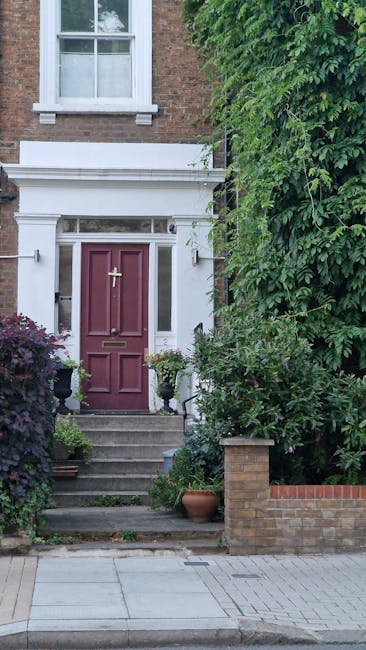
Best gardeners in Beckenham High Street for small front gardens

If your front garden is small, a bit awkward, or simply hard to keep tidy between work, school runs, and everything else, you are not alone. The best gardeners in Beckenham High Street for small front gardens are usually the ones who understand that compact spaces need a different approach: neat proportions, sensible planting, regular maintenance, and no fuss. Not every garden needs a grand redesign. Sometimes it just needs someone who can make a tiny space feel calm, balanced, and cared for.
In this guide, we'll look at what makes a good local gardener for a small front garden, how the work usually happens, what services matter most, and how to avoid the usual mistakes that make compact spaces feel even smaller. You'll also get a checklist, a comparison table, and a few practical examples from the sort of situations people run into every day on busy high streets and nearby residential roads.
Why Best gardeners in Beckenham High Street for small front gardens Matters
Small front gardens are funny things. They look simple from the pavement, but they can be surprisingly demanding. One overgrown shrub, a patchy lawn edge, or a tired hedge can dominate the whole frontage. In a compact space, every inch counts, so the quality of the gardening work shows up immediately.
That is why choosing the right gardener matters. A skilled local team will not treat a small garden like a scaled-down version of a big one. They'll think about sightlines, access, balance, and maintenance in a more careful way. A narrow bed near the path, for example, needs planting that stays in proportion. A small lawn needs edging that looks crisp rather than clipped to death. Simple job? Not always.
There is also the practical side. Beckenham High Street and the surrounding roads can be busy, which means front gardens often need to look tidy without becoming high-maintenance. You want something that looks good from the street, handles the weather, and does not turn into a weekend chore every time the weather changes. Truth be told, that is often the whole brief.
For many homes, the front garden is the first impression. It affects how the property feels, how welcoming it looks, and even how much effort the owner has to put in week after week. A good gardener helps you make that impression work harder, without making the space feel overdone.
How Best gardeners in Beckenham High Street for small front gardens Works
In practice, the process usually starts with a close look at what the space can actually support. That sounds obvious, but it is where many poor results begin. The gardener should assess sun, shade, soil condition, drainage, path access, and how the garden is used. Front gardens often need to look neat in all seasons, not just in late spring when everything is in bloom and behaving itself.
After that, the work often falls into one or more of these categories:
- Regular maintenance: mowing, trimming, weeding, leaf clearance, and keeping borders crisp.
- Reshaping and tidy-up work: cutting back shrubs, reducing visual clutter, and improving the layout.
- Small-scale landscaping: edging, planting changes, gravel areas, low-maintenance borders, or path-side improvements.
- Seasonal refreshes: clearing away dead growth, replanting, and restoring structure after winter or heavy rain.
If your front garden has become unruly, a sensible starting point may be a broader garden maintenance visit, followed by specific work such as hedge trimming or lawn mowing. For more neglected spaces, a one-off garden clearance can reset the area before any neat finishing touches are added.
The important thing is sequence. In a small garden, you generally clear first, then shape, then refine. If you skip that order, the work tends to look rushed. And nobody wants a front garden that looks like it was dealt with in a hurry, even if it technically was.
Key Benefits and Practical Advantages
There are several real advantages to using a gardener who understands compact front gardens. Some are visual, some are practical, and some are simply about peace of mind.
- Better kerb appeal: Even a modest front garden can make the whole property feel more cared for.
- Less maintenance stress: Small spaces should be easy to manage, not a constant source of guilt.
- Smarter plant choices: The right plants stay in scale and do not crowd the entrance.
- Safer access: Clear pathways and tidy edges reduce trip hazards and awkward overgrowth.
- Improved light and openness: Thoughtful pruning can stop a tiny garden from feeling boxed in.
- Better use of budget: Small gardens can deliver noticeable results without large, open-ended projects.
One of the biggest benefits is that small gardens respond quickly to good work. A freshly edged border, a tightened hedge, or a simpler planting scheme can transform the frontage in a single visit. You do not always need a full redesign. Sometimes you just need a cleaner line, a little breathing space, and one or two plants that actually suit the space.
For homeowners who want a more polished result, it can help to browse broader options in services overview terms, then decide whether the garden needs maintenance, landscaping, or a bit of both. That distinction matters more than people think. A tidy-up and a redesign are not the same thing.
Who This Is For and When It Makes Sense
This kind of service is a strong fit for a few common situations. If your front garden is small but visible, it tends to show wear quickly. If you've got limited time, or if you simply do not want to spend Saturday morning with a pair of secateurs and a sinking feeling, professional help makes a lot of sense.
It is especially useful if you are:
- trying to keep a narrow frontage presentable all year round
- preparing a property for sale, rental, or a guest visit
- dealing with a front garden that has outgrown its layout
- looking for lower-maintenance planting that still feels smart
- stuck with a hedge, border, or lawn that is more work than it should be
In our experience, people often wait too long. They think the space is "only small", so it can be dealt with later. Then later arrives, and the garden has become a jumble of self-seeded growth, tired edging, and one slightly dramatic shrub doing all the wrong things. It happens.
To be fair, if your front garden already has decent structure, you may only need occasional upkeep. If it has lost its shape, though, professional help can save a lot of fiddly frustration.
Step-by-Step Guidance
If you are planning work on a small front garden, a clear process helps you avoid wasted effort. Here is a straightforward way to approach it.
- Walk the space with fresh eyes. Stand on the pavement and look at what the garden is saying visually. Is it neat, crowded, dark, or patchy?
- Decide the main job. Is it maintenance, clearance, pruning, a lawn refresh, or a small redesign? Be honest here. Half-decisions usually lead to half-results.
- Remove the worst clutter first. That might mean dead growth, broken pots, weeds, or a hedge that has overreached a bit.
- Restore shape. Define edges, shorten overlong growth, and create a cleaner outline.
- Improve the planting structure. Choose plants that suit the scale of the garden rather than filling space for the sake of it.
- Make access easy. Keep paths, steps, and the entrance area clear and inviting.
- Plan the follow-up. Small front gardens usually look best with light, regular care rather than occasional heavy intervention.
A good practical example: if a small front garden has a patchy lawn, one dense shrub, and a border that keeps spilling onto the path, the work plan should not start with fancy planting. It should start with cutting, clearing, and restoring structure. Then you can decide whether the lawn stays, shrinks, or is replaced with something easier to manage.
And yes, sometimes the best decision is to simplify rather than add more. Less can absolutely be more in a tiny frontage.
Expert Tips for Better Results
Small front gardens have a few quirks of their own. Get these right, and the whole space feels sharper and calmer.
- Use repeated shapes. A few similar plants or repeated edging lines create order fast.
- Think vertically but lightly. Upright plants can work, but not if they block windows or make the entrance feel boxed in.
- Leave breathing space. Empty space is not wasted space; in a small garden, it helps everything else look intentional.
- Keep colour controlled. Too many colours can make a small frontage feel busy.
- Prioritise year-round structure. Evergreen form, tidy borders, and neat hard edges keep the garden looking good even in winter.
- Pick maintenance levels honestly. A lush planting scheme is lovely until you realise it needs constant attention.
A small self-aware truth: many gardens fail not because the plants are bad, but because the owner, quite reasonably, does not want a second job. That is why low-maintenance design matters. It respects real life. Which, frankly, is refreshing.
If you are considering a more shaped or refined result, it can help to look at landscape gardening and landscaping as distinct options. One focuses more on the design and planting idea; the other often includes the physical changes that support it. The overlap is useful, but the starting point should be clear.
Common Mistakes to Avoid
Small gardens make mistakes obvious. There is nowhere to hide, which is both annoying and useful. Here are the ones that most often cause trouble.
- Overplanting: Too many plants can make a tiny space feel cluttered and smaller than it is.
- Ignoring access: If the gardener cannot work cleanly around paths and steps, the space will never feel properly finished.
- Choosing high-maintenance plants by accident: Pretty in the nursery, demanding in real life.
- Forgetting the front view: A garden has to work from the street, not just from the front door.
- Leaving old structure in place: Tired hedges, broken edging, and overcrowded beds can stop a small garden from feeling fresh.
- Trying to do too much at once: A compact space can become chaotic if every idea is forced in together.
Another common issue is treating every job as separate. A small front garden often needs coordinated care. For example, pruning without clearing the debris is only half the job. Likewise, mowing without edging rarely gives the crisp finish people actually want. The details matter, annoyingly enough.
Tools, Resources and Recommendations
You do not need a shed full of specialist equipment to understand or manage a small front garden, but the right tools and services help a lot.
- Basic hand tools: secateurs, shears, a hand fork, and a hoe for small-scale weeding.
- Cutting and shaping tools: useful for hedge work and tidy edge finishing.
- Clear waste management: green waste builds up faster than people expect, even in tiny gardens.
- Regular maintenance support: a scheduled visit often keeps the front garden looking better than occasional rescue work.
If the garden has become overloaded with waste, dead growth, or old features that no longer fit, a one-off garden clearance can create a blanker, cleaner starting point. If the lawn has become the main issue, then lawn mowing or a longer-term maintenance plan may be the better route.
For homeowners who want a simple way to compare options, the most useful question is not "What service sounds most impressive?" but "What will keep this space looking good with the least hassle?" That question saves time. A lot of time.
You can also review pricing and quotes if you want a clearer sense of how a project might be scoped. Good quoting usually follows the actual condition of the garden, not a guess made from the pavement. That is exactly how it should be.
Law, Compliance, Standards, or Best Practice
For front gardens, the main compliance concerns are usually practical rather than dramatic. Good gardeners should work safely, protect property, and handle waste responsibly. In the UK, a professional approach normally includes sensible risk awareness, clear communication, and care around tools, slopes, trips, and shared boundaries.
Best practice also means knowing when a task is suitable and when it should be approached cautiously. For example, anything involving higher hedges, awkward access, or tree work needs more care than a simple trim. If there is any doubt about a tree's condition or the scale of the work, it is better handled through a proper tree lopping and removal service than as an improvised fix.
Safety and insurance matter too. A reputable provider should be able to explain how they manage risk, what they cover, and how they protect both the team and your property. If you want to understand that side more clearly, the pages on insurance and safety and health and safety policy are worth a look. You do not need to obsess over the paperwork, but you should feel comfortable asking questions.
Waste handling is another quiet but important point. In a small front garden, green waste can pile up quickly during a tidy-up. Responsible disposal and a tidy finish are part of the job, not an optional extra. Good practice is simple: leave the space safer, cleaner, and easier to maintain than before.
Options, Methods, or Comparison Table
Not every small front garden needs the same kind of help. Here is a simple comparison to make the choice clearer.
| Approach | Best for | Typical strengths | Limitations |
|---|---|---|---|
| Regular garden maintenance | Front gardens that mostly need tidying and keeping on top of growth | Consistent appearance, lower stress, less overgrowth | Does not solve deeper layout problems |
| Garden clearance | Overgrown or neglected small gardens | Fast reset, removes clutter, creates space to rethink the layout | May need follow-up work to keep the space looking good |
| Landscape gardening / landscaping | Front gardens that need a stronger visual structure or layout change | Better flow, more personality, improved long-term use | Usually takes more planning and a bigger budget |
| Targeted hedge and lawn work | Gardens with one or two problem features | Quick improvement, efficient, very visible from the street | May not address the garden as a whole |
If you are unsure which approach fits, start with the least ambitious option that solves the problem. That is usually the sensible move. You can always build from there. Starting too big, on the other hand, tends to produce indecision and invoices nobody enjoys reading twice.
Case Study or Real-World Example
Imagine a small front garden on a Beckenham side street near the High Street. It has a narrow lawn, a hedge that is starting to lean into the path, and two borders with mixed planting that has become a bit tangled over time. From the street, the house looks fine. Up close, though, the whole thing feels busier than it should.
A sensible gardener would likely begin with a tidy reset: clear away dead growth, reshape the hedge, edge the lawn, and remove anything that is blocking the front view. Then they might simplify the planting so the strongest plants have room to breathe. Perhaps one border gets narrowed slightly. Maybe the lawn stays, maybe it becomes a smaller, easier shape. Nothing dramatic. Just cleaner, calmer, better.
After that first visit, the garden would probably look more open in the morning light, with the path easier to follow and the frontage reading as one coherent space rather than a collection of bits and pieces. That is the difference between "tidied" and "thought through".
And honestly, that is what most people want. Not a show garden. Just a front garden that quietly does its job, day after day, without becoming a nuisance.
Practical Checklist
Use this checklist before booking work on a small front garden.
- Have you decided whether the space needs maintenance, clearance, or landscaping?
- Is the main problem overgrowth, poor structure, patchy lawn, or clutter?
- Do you want a low-maintenance result, or a more decorative finish?
- Are paths, steps, and entrances easy to access?
- Do you have any hedges or shrubs that are blocking light or sightlines?
- Would a simpler planting scheme make the space look better?
- Do you need waste removed after the work?
- Have you checked that the gardener's approach feels safe and well organised?
- Do you want a one-off visit or ongoing care?
- Have you compared quotes based on what the garden actually needs?
If you can answer those questions clearly, you are already ahead of most people. Small front gardens reward a bit of thought. Not overthinking, just thought.
Get a free quote today and see how much you can save.
Conclusion
The best gardeners in Beckenham High Street for small front gardens are the ones who understand scale, restraint, and practical upkeep. Small spaces do not need to be crowded with ideas. They need balance, clean edges, sensible planting, and a plan that fits real life.
If your front garden looks tired, overgrown, or simply too demanding for its size, the right help can make it feel welcoming again without turning the project into something complicated. Start with what the space actually needs, then work from there. That is usually the smartest path, and it rarely disappoints.
For more about the team behind the service, you can read the about us page. If you are ready to discuss your garden, the contact us page is the next step. And if you care about sustainability, the recycling and sustainability information is a useful extra read. Small garden, big difference. It really can be that straightforward.
Frequently Asked Questions
What makes a gardener a good fit for a small front garden?
A good fit is someone who understands proportion, tidiness, and low-maintenance design. In a small front garden, overfilling the space can make it look worse, not better. The best gardeners will focus on clean lines, manageable planting, and a layout that looks good from the pavement as well as from the front door.
Should I choose garden maintenance or landscaping for a small frontage?
If the garden mainly needs keeping neat, choose maintenance. If the space needs a layout change, new structure, or a more significant refresh, landscaping is more suitable. Many small front gardens need a bit of both, but it helps to decide which problem comes first.
How often should a small front garden be maintained?
That depends on how quickly things grow and how tidy you want it to look. Some gardens need attention every few weeks in the growing season, while others only need periodic visits. If the garden has strong structure and slow-growing plants, the schedule can be lighter.
Can a small front garden still look attractive if I want low maintenance?
Absolutely. In fact, small front gardens often look best when they are kept simple. A restrained planting scheme, neat edging, and one or two strong features can look far better than lots of busy detail. Low maintenance does not have to mean dull. Not at all.
What if my small front garden is overgrown and messy?
Start with clearance. Removing dead growth, weeds, and bulky clutter creates space to assess what should stay. After that, trimming, edging, and a basic maintenance plan usually make the biggest difference. A reset first, then refinement.
Is hedge trimming important in a small front garden?
Yes, very often. A hedge that is too wide or too tall can make a compact frontage feel cramped and shadowed. Careful hedge trimming helps keep the garden open and well proportioned, especially if the hedge borders a path or sits close to the entrance.
What should I ask for when I request a quote?
Be clear about whether you want maintenance, clearance, lawn work, hedge trimming, or a redesign. Mention the size of the front garden, any access issues, and whether waste removal is needed. The more specific you are, the more accurate the quote is likely to be.
How do I know if the work needs a professional rather than a quick DIY tidy?
If the garden has become overgrown, the hedge is difficult to control, or the layout no longer works, a professional can usually sort it faster and more cleanly. DIY is fine for simple weeding or light pruning, but once the job affects structure and safety, professional help is often worth it.
Are there safety issues with front garden gardening work?
Yes. Even small front gardens can involve slippery paths, sharp tools, awkward access, or waste that needs to be moved carefully. A reputable gardener should work with safety in mind and have sensible procedures in place, especially where tools and ladders are involved.
Do small front gardens need different plants than larger gardens?
Usually, yes. Compact spaces do better with plants that stay in proportion and do not spread too aggressively. The aim is to keep the space balanced across the seasons, not to squeeze in as much variety as possible. Less clutter, more structure.
What is the most common mistake people make with small front gardens?
Trying to do too much. Too many plants, too many colours, too many features. Small gardens usually look better when they are edited rather than packed. That sounds simple, but it is probably the hardest lesson for many people.
Where can I find more information about the service options available?
You can start with the services overview page to see how the different types of work fit together. If you want to understand pricing, the pricing and quotes page is also a practical place to begin.